

Quote Designer
Structuring a confident quote
BALANCED TEAM: Project manager, UX Designer, Engineering
MY ROLES: Lead UX Designer, User Research
TOOLS: Figma, Miro, Co-Pilot
TIME: 2 Months
The problem
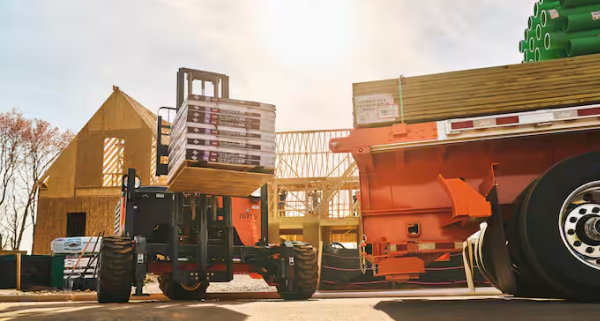
Pros often face challenges in organizing their material list in order to provide a confident quote for their projects. This often leads to anxiety about under- or over-pricing their bid.
Key challenges
In a manual quote, the user must check availability for every single line item individually. The contractor must manually search the catalog to find available substitutes, which adds time.
Construction happens in stages. The challenge for the user is manually organizing 500+ items into logical delivery phases. Missing one critical item in a phase 1 manual entry can stop an entire crew for a day or longer.
A manual takeoff can take a week to input. By the time the final SKU is added, the price of the first item may have already changed. The contractor then faces the re-quoting cycle, where they must manually refresh and verify every price before sending the final bid to the client.

The objective
To design and implement a centralized, AI-augmented purchasing interface that bridges the gap between digital blueprints and job-site fulfillment.
Research and discovery
The primary objective was to deconstruct the planning-to-procurement gap. The friction point is where contractors lose time and money between receiving a blueprint and purchasing materials. Traditional manual takeoffs weren't just slow; they were emotionally taxing, increased the fear of under-quoting and losing profit margins.
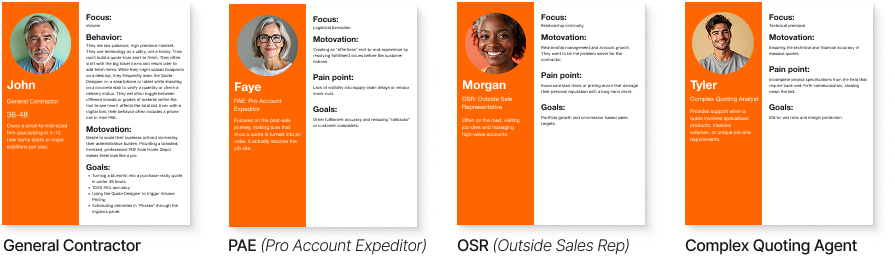
Personas
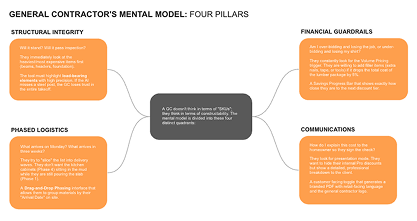
Four pillars

Stakeholder interviews
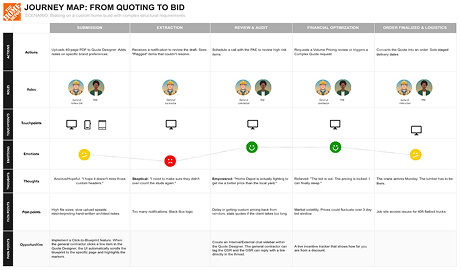
Journey map
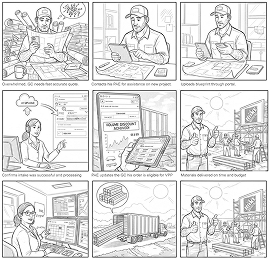
Storyboard
User interviews
Created a research plan
7 monitored interviews of flooring specialists
Synthesized interviews
Presented findings to partners/stakeholders
My design process
My approach to the Quote Designer relied on close and early partnership with product and engineering to ensure alignment. To navigate ambiguity, I moved quickly into prototyping, turning abstract ideas into concrete discussion points. I further accelerated this phase by using AI tools to generate concept variations quickly, allowing the team to iterate through feedback cycles faster and define a solid path forward.
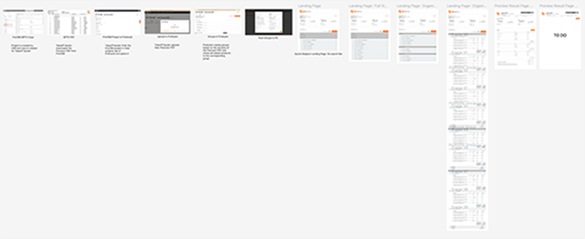
User flow
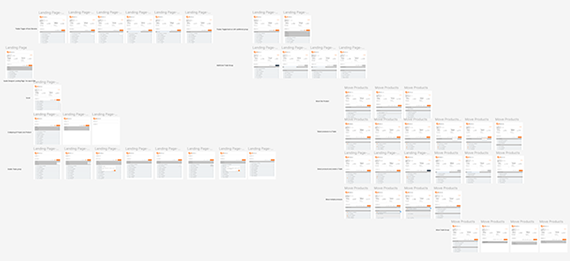
Different user flow paths
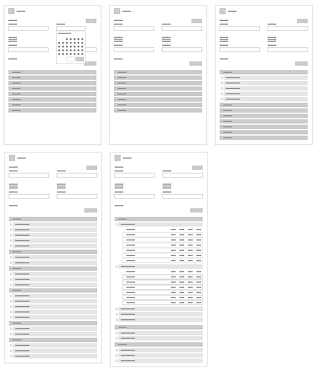
Low-fidelity designs
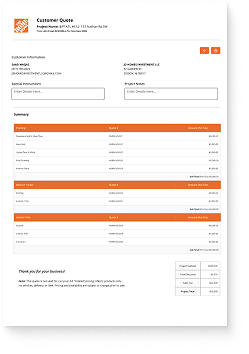
Final design
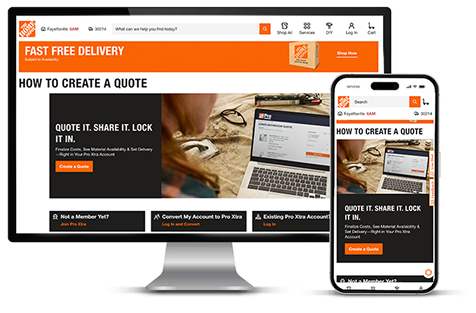
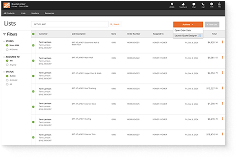
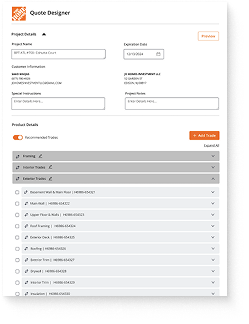
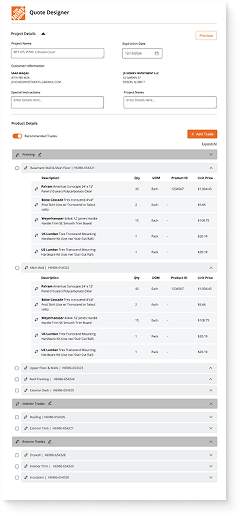
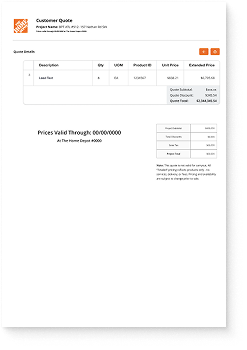
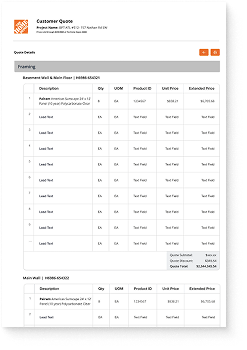
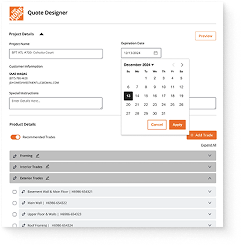
Structuring the Pros list has brought efficiency to the entire process of managing the jobsite, which resulted in minimizing wastage. In addition, the implementation of a responsive user interface helped achieve even greater efficiency by eliminating any communication barriers that may arise.
The results
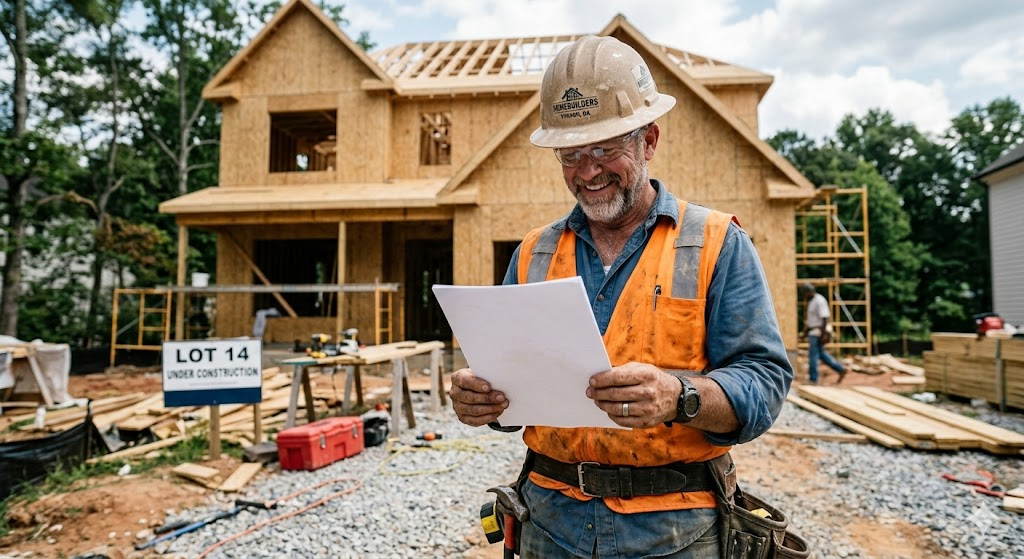
The product cycle revealed that for contractors, time is the most expensive material. The success of Quote Designer is the removal of friction by the organization through phases. Quote Designer saved contractors time, money and increased confidence in their quotes.
14+ days
<48 hours
Average duration from blueprint upload to final material list.
+24%
Quote to
conversions
15%
Reduction in material waste
92%
Annual retention
Contractor’s feedback
"Finally, a tool that understands how a job site actually works. I don't need 400 sheets of drywall sitting in the mud while I'm still framing. Being able to bucket my materials into phases and then schedule those deliveries separately is a game changer for my site logistics."
“Quote Designer gives me the breathing room to get my client’s signature without worrying that a spike in lumber costs will eat my entire margin. I can walk into a meeting knowing my numbers are solid.”
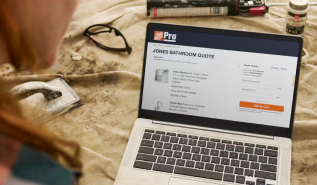
"I’m usually looking at this on a tablet in the back of my truck. I love that I don't have to hunt for the 'Special Order' status

Key learnings
The biggest takeaway was that efficiency is not just about speed but also about reducing liability. By providing a clear, phased, and locked-in quote, we didn't just help them buy products; we helped them protect their profit margins and their professional reputation.
Opportunities
Integrating augmented reality to allow Pros to verify digital blueprint dimensions against the physical site in real-time.
Using AI to automatically suggest staged delivery windows based on the project's construction phase.
Expanding the product to allow subcontractors and clients to view specific layers of the takeoff for better transparency.
Adding a toggle to automatically suggest eco-friendly material alternatives.
What worked well
Pros ability to draft a material list organized by each project phase.
Successfully compressed the takeoff cycle from 14 days to roughly 48 hours, meeting the critical speed-to-bid requirement.
Combining AI-driven extraction with human oversight provided the high confidence levels necessary for large-scale orders.
The introduction Material List Builder tool allowed Pros to update project needs from the job site.